A is for Absolutes. Avoid them. Don’t say “I can’t do X”. Focus on what you
can still do, however small, to set a baseline for progress. For example, if you can only squat 20% of the way down, that's your starting point. Now aim for 30%.
B is for Bend Over. How you bend over, AKA "hip hinge", can reveal a lot about your joint pain.
Fix your hinge and watch back, hip, and knee problems start clearing up ASAP.
C is for Crawl. Relearning
how to move on all fours is a time-efficient way to mobilize the entire body and make it work as a whole unit again.
D is for Decompression. Most joint pain originates in stuck, compressed fascia. Decompress the fascia with movement to relieve nerve pressure, reduce pain, and get moving again.
E is for Eccentric Loading. AKA the “lengthening” or “negative” phase of resistance exercise. Eccentric loading is effective for expanding range of motion, breaking down scar tissue, and building new muscle.
F is for Fun. Wanting to be out of pain
isn't enough. You need fun goals to look forward to — like dancing, gardening, hiking, or basketball— or you won't commit to the necessary work.
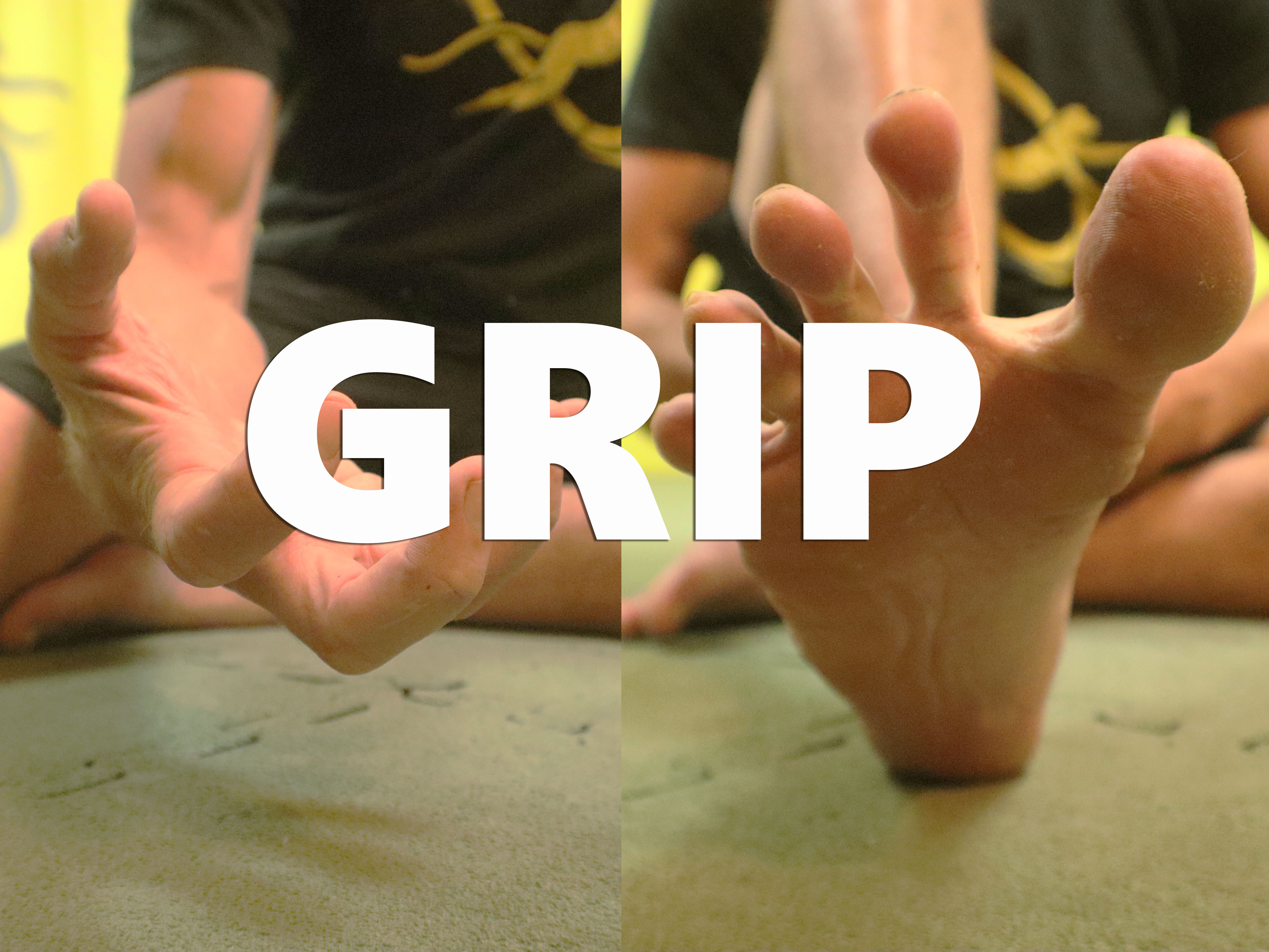
G is for Grip. Grip strength is directly correlated with longevity. It's also a basic indicator of hand and wrist health. Rebuild your grip and pair it with
closed chain mobility to rid yourself of carpal tunnel and most other lower arm dysfunction.
H is for Hip Circles. A simple, accessible, and scalable way to start fixing numerous hip joint issues.
Fix your circles and enjoy smooth-working hips.
I is for Isometric Loading. AKA the "paused" or "holding" phase of resistance exercise.
Isometrics effectively isolate weak points in a joint's range of motion, stimulating local adaptation.
J is for Judgement. Ultimately, you are the best judge of how your body feels. Our coaching improves clients' inner pain awareness, leading to more accurate descriptions, better judgments, and superior movement solutions.
K is for Kinematic Chain. The body moves as one unit. If one joint, or “link in the chain," is compromised, the whole unit is. Repair ALL your joints, not just the “bad” ones.
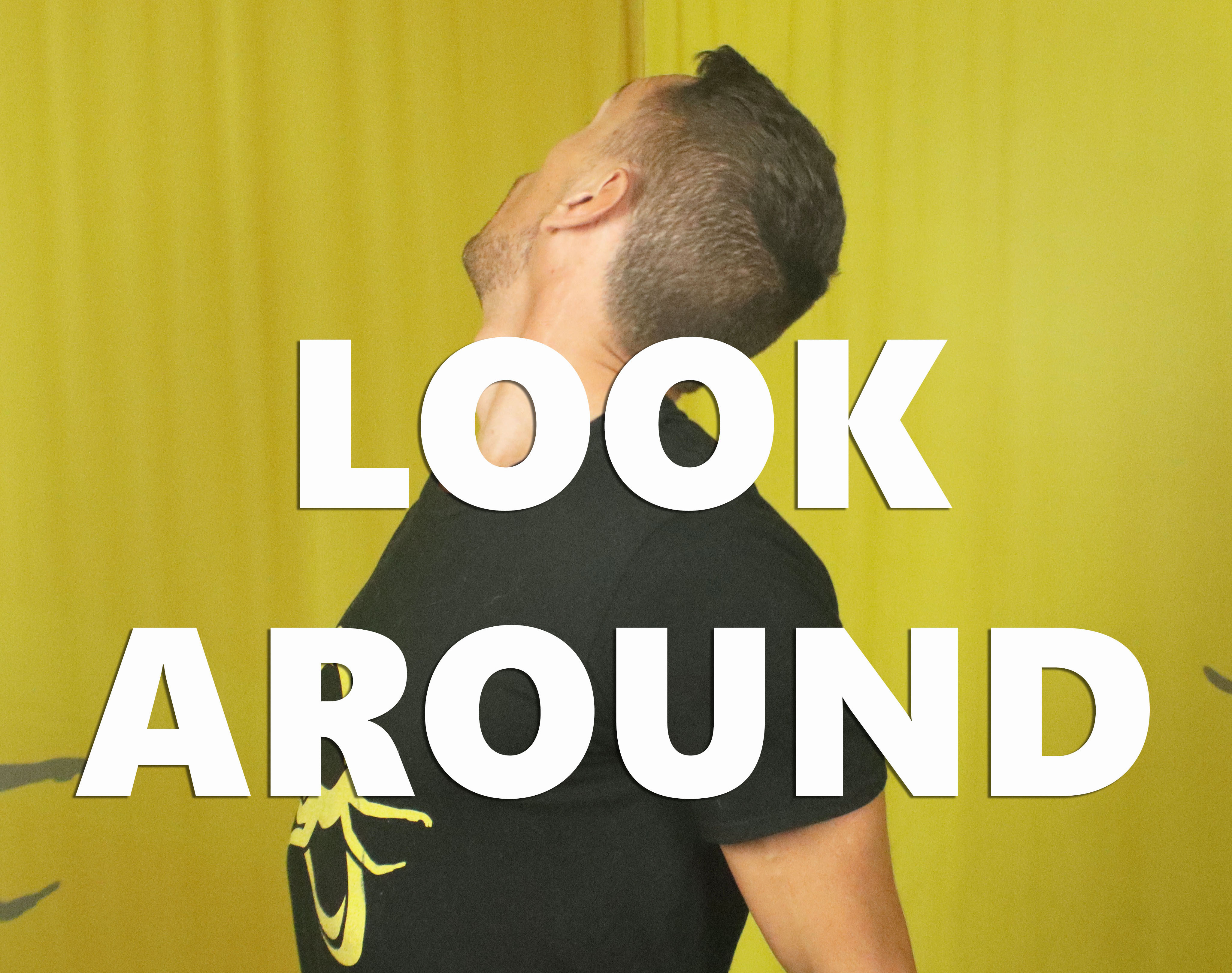
L is for Look Around. Stiff necks don't just affect your movement. They affect your mood, focus, and productivity.
Remobilize the neck with basic movements and give your mental clarity a big boost.
M is for Massage. The passive side of joint repair.
Learn how it works, pair it with your movements, and watch your repairs hit fast forward.
N is for Negative Self-talk. It will sabotage your practice. Honest self-criticism is fine, but you also have to be your own cheerleader. There’s no room in this for negativity.
O is for Osteoarthritis. It’s not the bogeyman. It’s joint compression.
Learn how to decompress joints with loaded eccentrics and self-massage and OA doesn’t stand a chance.
P is for Protein. Protein is non-negotiable for tissue repair. This intake provides the "raw material" to create new tissue, not just maintain existing tissue.
Q is for Quality of Life. Pain and immobility constrict your world, taking away independence, community, and a sense of adventure. Joint repair pushes back, expanding life out again.
R is for Regression. Knowing how to scale movements
down to a relatively pain-free level is how the body learns to tolerate them again.
Regress well, and you’ll
progress faster.
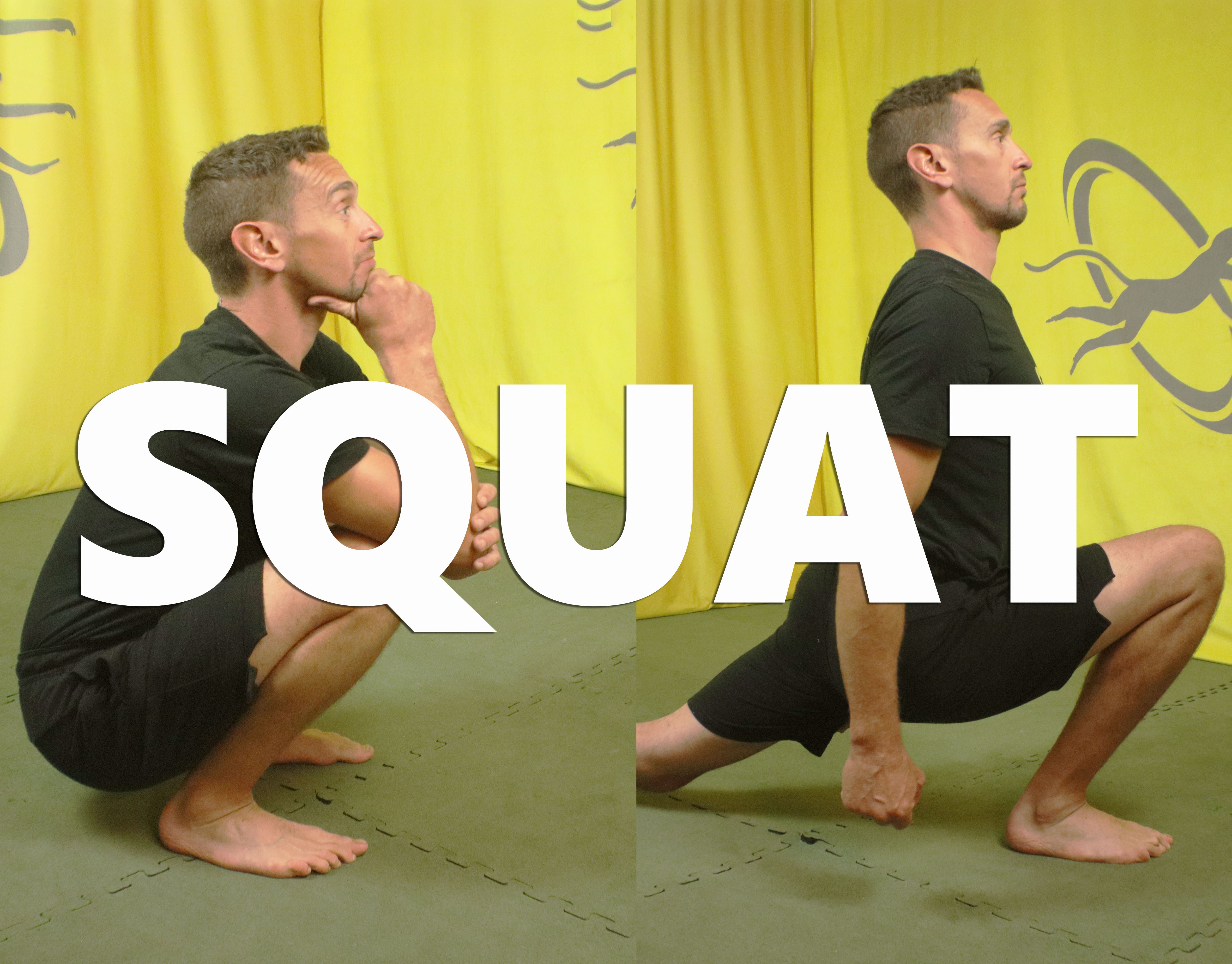
S is for Squat. The foundation of lower body function.
Restoring competent squatting is a major checkpoint for knee, ankle, and hip repair.
T is for Time Under Tension. It takes about 30-90 seconds of time under tension (muscle engagement) to trigger collagen synthesis - the creation of new connective tissue (tendon, ligament, meniscus, cartilage, etc.).
U is for Use an Assist. Using assistance ensures you don’t overload damaged joints as you attempt to repair them. It’s not cheating. It’s assisting :)
V is for Variability. To build functional, durable joints, training must be multiplanar (3D). Achieve this with natural, variable, and randomized movement during training. Learn more in the
How To Do Joint Repair video.W is for Wins. Joint repair is a slow process. Look for and cherish the little day-to-day wins in your practice (walking is less painful, it’s easier to put on socks, etc.) that motivate you to keep going.
X is for X-Ray. Imaging (x-ray, MRI, sonogram) helps assess joint damage and make a plan...
with a strength coach. Avoid rushing into surgery, pills, or injections. Most problems are fixable non-surgically.
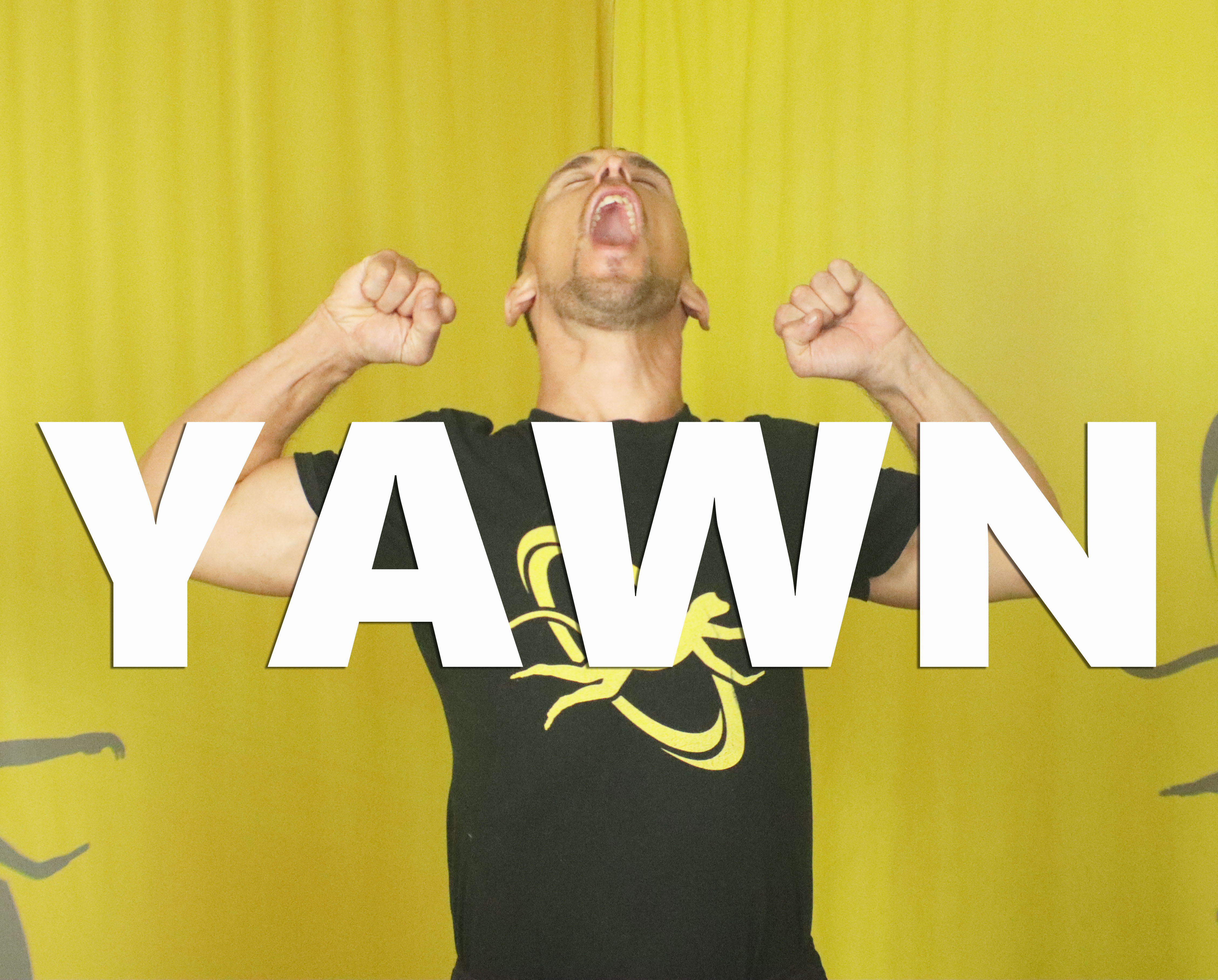
Y is for Yawns. The natural movement we all use to wake up is also a perfect counter to prolonged sitting.
Yawn more, with intention, to help fix your dysfunctional "modern posture."
Z is for Zzzzzzzz. You can’t negotiate sleep. It’s when our body does the MAJORITY of its tissue repair work. Prioritize getting 7-9 hours of
quality sleep each day (including naps) or your training will go to waste.